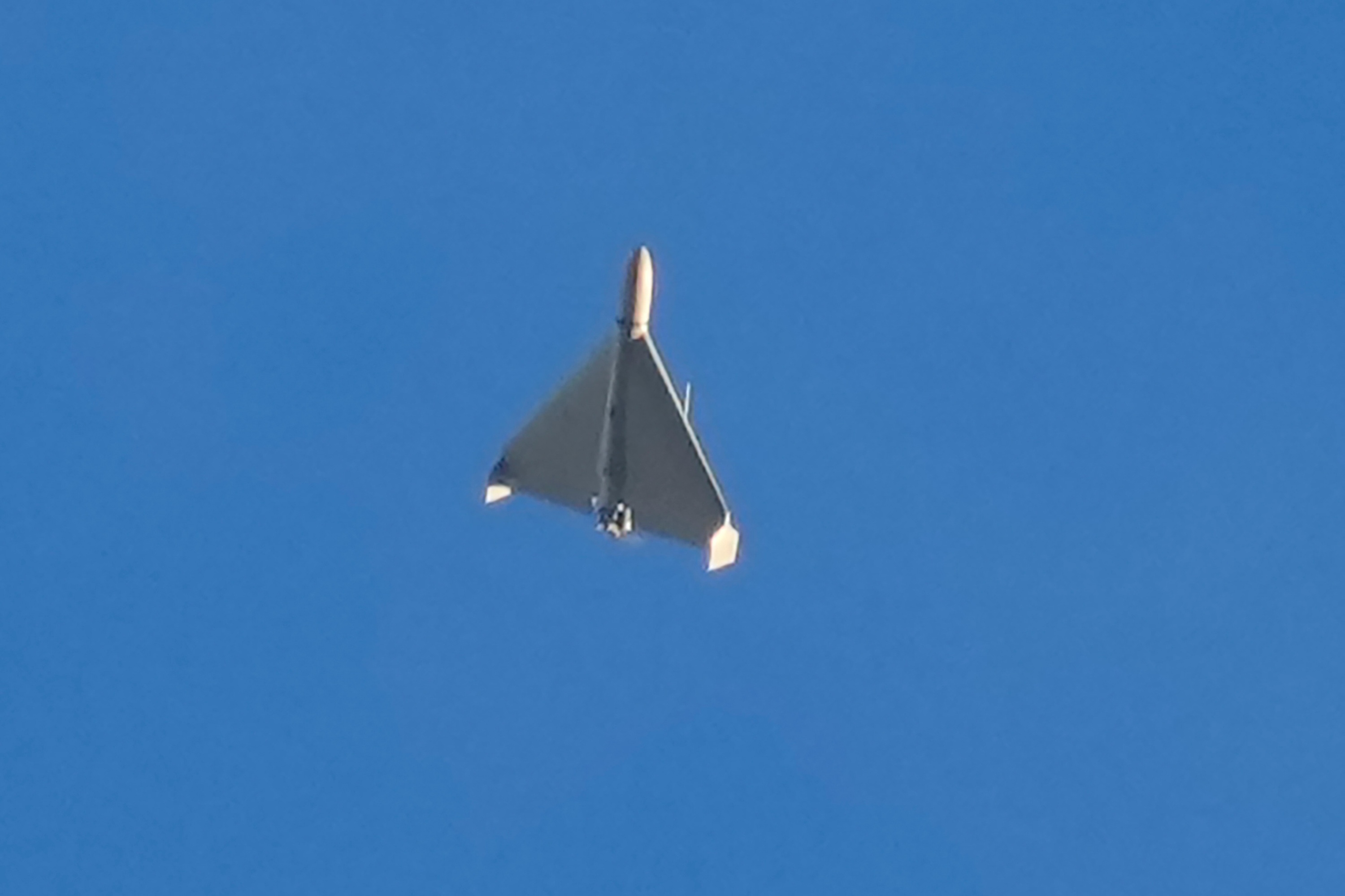
An American anti-drone system that has proven effective against Russian drones in Ukraine will soon be deployed to the Middle East to enhance U.S. defenses against Iranian drones, according to two U.S. officials who spoke to The Associated Press on Friday.
While the U.S. has successfully utilized Patriot and THAAD missile systems to intercept Iranian missiles, there are currently limited effective anti-drone defenses in the Middle East, as noted by a U.S. defense official who requested anonymity to discuss sensitive military issues.
The Pentagon acknowledges the challenges in countering Iranian drones
One U.S. official described the response to Iran’s Shahed drones as “disappointing,” especially since these drones are a simpler version of the ones that Russia is continually improving in its conflict in Ukraine.
The initiative to enhance U.S. anti-drone capabilities in the Middle East highlights concerns about potential Iranian retaliation to American and Israeli strikes in the region. Countries in the Persian Gulf have expressed frustration over not having enough time to prepare for the influx of Iranian drones and missiles targeting their territories.
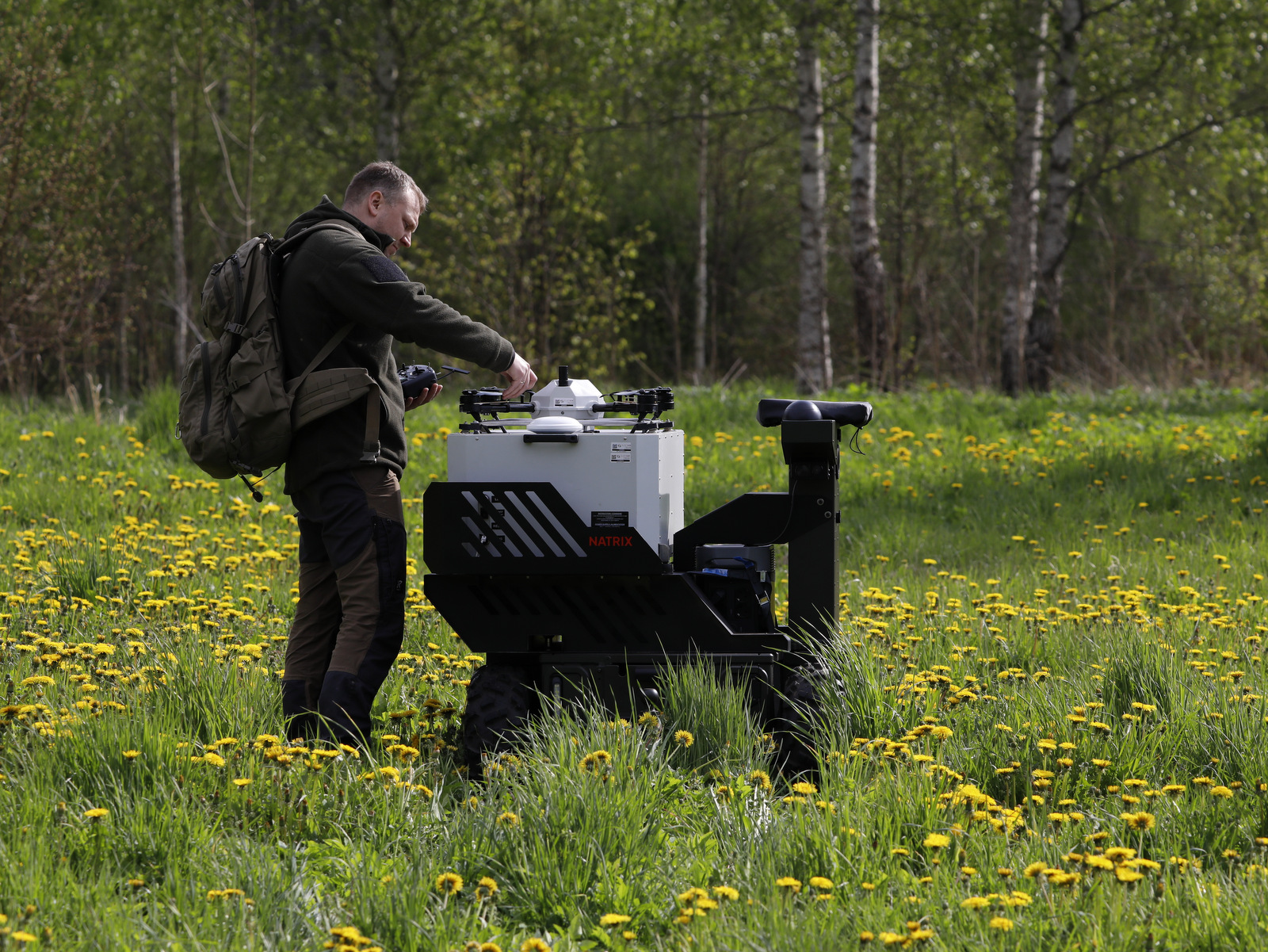
The system being deployed, known as Merops, is designed to engage drones with drones. It is compact enough to fit in the back of a midsize pickup truck and can identify and pursue drones using artificial intelligence, even when satellite and electronic communications are disrupted.
Drones can be difficult to detect on radar systems that are optimized for high-speed missiles and may be confused with birds or aircraft. The Merops system aims to accurately identify and neutralize these threats. Importantly, it is also more cost-effective than using missiles that can cost hundreds of thousands of dollars to target a drone priced under $50,000.
Rep. Jim Himes, the top Democrat on the House Intelligence Committee, stated this week that while the U.S. is effective at intercepting missiles, the challenge lies in the large number of Iranian drones, which are difficult to detect and intercept.
Himes described the drone attacks as a “math problem,” emphasizing that the U.S. cannot continue to rely on costly military interceptors like the Patriot systems to counter the rapidly produced and inexpensive Iranian drones.
“It’s extremely costly to take down a cheap drone,” he remarked. “Using a large missile to target a small, low-cost drone.”
Merops was previously deployed in NATO countries Poland and Romania in November after Russian attack drones frequently breached NATO airspace. The U.S. defense official indicated that lessons learned from deploying this system and similar ones in Ukraine have been valuable.
Ukrainian President Volodymyr Zelenskyy mentioned on Thursday that the U.S. sought Ukraine's assistance in combating Iran’s Shahed drones, which have been used extensively by Russia in Ukraine. While Zelenskyy did not detail the type of support Ukraine would provide, the U.S. defense official confirmed that the Merops system is part of that assistance.
When asked about Zelenskyy’s remarks, Trump stated to Reuters on Thursday: “Certainly, I’ll take any assistance from any country.”
In the Middle East, Merops will be deployed to various locations, including areas without U.S. forces, according to the defense official. Most systems will be supplied directly by Perennial Autonomy, the manufacturer supported by former Google CEO Eric Schmidt, and will not impact defenses in Europe, the official added.
Perennial Autonomy did not immediately respond to inquiries about the deployment of Merops in the Middle East.
Pentagon officials acknowledged this week during closed-door briefings with lawmakers that they are struggling to counter the waves of drones launched by Iran, leaving some U.S. targets in the Gulf region exposed.
“This does not mean we can stop everything, but we have ensured that the maximum possible defense and force protection was established before we went on the offensive,” Defense Secretary Pete Hegseth told reporters this week.
Michael Robbins, president and CEO of AUVSI, a drone industry group, emphasized that experiences from the Middle East and Ukraine demonstrate the need for the U.S. to expedite the deployment of advanced counter-drone technologies, allowing “our forces to protect bases and populations without spending a million dollars to neutralize a $50,000 threat.”
Associated Press writers Lisa Mascaro, Didi Tang, David Klepper, Michelle L. Price, Ben Finley, and Seung Min Kim contributed to this report from Washington.