3 min read
Preparations for Upcoming Moonwalk Simulations Underway (and Underwater)
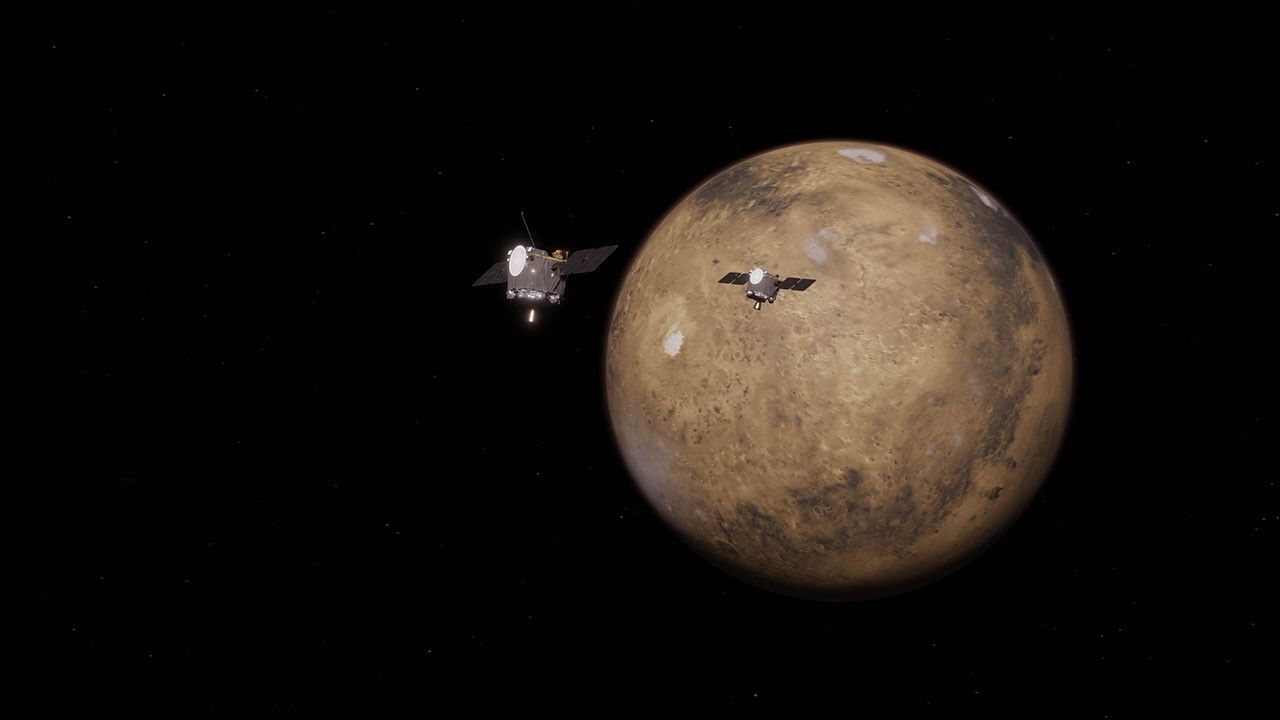
NASA's Van Allen Probe A is set to re-enter Earth's atmosphere nearly 14 years after its launch. From 2012 to 2019, this spacecraft, along with its twin Van Allen Probe B, explored the Van Allen belts—regions of charged particles held by Earth's magnetic field—to study how these particles are accumulated and lost. These belts protect Earth from harmful cosmic radiation, solar storms, and the solar wind, making their study crucial.
As of March 9, 2026, the U.S. Space Force predicts that the approximately 1,323-pound spacecraft will re-enter the atmosphere around 7:45 p.m. EDT on March 10, 2026, with a margin of error of +/- 24 hours. NASA anticipates that most of the spacecraft will disintegrate upon re-entry, although some parts are expected to survive. The likelihood of any harm to people on Earth is low, estimated at about 1 in 4,200. NASA and the Space Force will continue to track the re-entry and provide updates.
Initially intended for a two-year mission, the Van Allen Probes A and B were launched on August 30, 2012, and collected groundbreaking data on Earth's two permanent radiation belts—named after scientist James Van Allen—for nearly seven years. The mission concluded when both spacecraft depleted their fuel and could no longer maintain their orientation towards the Sun.
The Van Allen Probes were the first spacecraft specifically designed to operate and gather scientific data over extended periods within the radiation belts, an area where most spacecraft and astronaut missions limit their time to avoid damaging radiation.
Managed by the Johns Hopkins University Applied Physics Lab, the NASA mission made several significant discoveries regarding the functioning of the radiation belts, including the first evidence of a transient third radiation belt that can form during intense solar activity.
When the mission concluded in 2019, it was estimated that the spacecraft would re-enter Earth's atmosphere in 2034. However, those estimates were made prior to the current solar cycle, which has been more active than anticipated. In 2024, scientists confirmed that the Sun had reached its solar maximum, resulting in heightened space weather events. These conditions increased atmospheric drag on the spacecraft, leading to an earlier re-entry than initially predicted.
Data from NASA's Van Allen Probes mission remains vital for understanding space weather and its impacts. By analyzing archived mission data, scientists study the radiation belts surrounding Earth, which are essential for predicting how solar activity affects satellites, astronauts, and terrestrial systems like communications, navigation, and power grids. The Van Allen Probes have enhanced the accuracy of space weather forecasts and their potential impacts.
Van Allen Probe B, the twin of the spacecraft set to re-enter, is not expected to re-enter before 2030.